
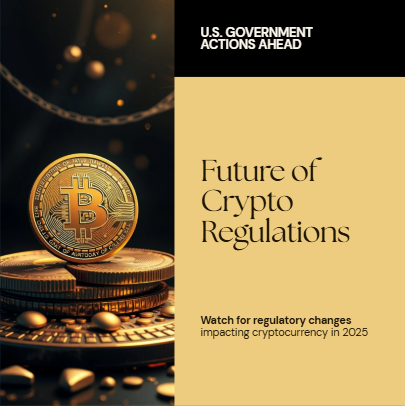
The world of cryptocurrency is changing rapidly, and by 2025, many expect major shifts in how these digital assets are regulated in the United States. As the popularity of cryptocurrencies grows, so do concerns regarding safety, legality, and innovation. These issues prompt crucial questions for investors, users, and lawmakers about how to manage this evolving financial landscape.
Cryptocurrencies, largely independent from traditional banks, offer both exciting opportunities and significant challenges for regulators. Finding the right balance is essential for protecting consumers while still promoting innovation and growth in the crypto market.
Current State of Crypto Regulations
Currently, U.S. crypto regulation resembles a patchwork system, with rules differing greatly by state and federal levels. The SEC (Securities and Exchange Commission) and the CFTC (Commodity Futures Trading Commission) play major roles in oversight. However, many in the sector argue that regulations are often reactive rather than proactive, leading to confusion about compliance requirements. A survey found that 44% of crypto companies cite regulatory uncertainty as a top barrier to growth. This ongoing tension highlights the urgent need for clearer, cohesive regulations.
Examples of Current State Issues
- In 2021, the SEC brought forward 88 enforcement actions against various crypto entities, often centered on the classification of tokens as securities.
- A report revealed that approximately 73% of states have their own unique regulations for digital currencies, causing businesses to navigate an extremely fragmented landscape.
Despite these challenges, lawmakers are starting to recognize the need for regulations that support growth while protecting investors.
Looking Ahead: What Changes Might 2025 Bring?
As we move closer to 2025, several potential changes in U.S. cryptocurrency regulation could emerge:
Establishing Clear Regulatory Definitions
One significant area of focus is the need for clear definitions regarding various cryptocurrencies and tokens. As it stands, the line between security and commodity remains blurred, causing compliance issues. In 2025, Congress may pass legislation clearly distinguishing between different types of digital assets. A clear definition could help the market grow, as businesses would better understand their legal obligations.
Streamlining Compliance Frameworks
Regulations can often hinder growth, and many in the industry advocate for simpler compliance frameworks. If the U.S. government prioritizes streamlined processes for crypto exchanges, this could lead to more innovative practices without stifling entrepreneurial spirit. For instance, shortening the registration process could enable startups to enter the market more quickly and contribute to economic growth.
Increased Collaboration with the Financial Sector
As banks start incorporating cryptocurrencies into their services, we can expect heightened collaboration between the U.S. government and traditional financial institutions. This partnership could lead to the development of shared best practices aimed at better regulation of crypto activities. By engaging with established banks, the government can enhance regulatory frameworks without catching technological innovation in red tape.
Cybersecurity and Fraud Prevention
With a 2021 report showing that crypto-related scams have affected over 200,000 victims, a strong focus on cybersecurity regulations is highly likely. By 2025, mandatory security standards for exchanges and wallet providers could emerge to safeguard users against fraud. This focus on cybersecurity will not only protect consumers but will also enhance trust in cryptocurrencies.
Defining Taxation Guidelines
Tax obligations for cryptocurrency transactions remain vague, making compliance difficult. In 2025, clearer taxation guidelines could emerge, specifying how to report and pay taxes on crypto transactions. For example, specific rules could help investors navigate tax implications, potentially leading to a more compliant investment culture.
Global Influences on Domestic Regulations
The U.S. government is not working in isolation. Global cryptocurrency trends will heavily influence domestic regulations moving forward. Countries that have created favorable crypto environments can serve as models or cautionary tales. Policymakers in the U.S. might look to establish international agreements that keep American regulations in line with global standards.
The Role of Consumer Advocacy
The importance of consumer advocacy cannot be overstated. As the government considers its regulatory framework, consumer advocacy groups will likely push for rules centered on transparency, education, and investor protection. Their input can help ensure regulations balance the needs of users with the demands of a rapidly evolving technology landscape.
A New Era in Crypto Regulation
By 2025, the landscape for crypto regulations in the U.S. may dramatically change. As government agencies, financial institutions, and consumer advocates work together to shape smart regulations, the goal will be to encourage growth in the cryptocurrency industry while protecting consumers. This ongoing dialogue will be crucial as we adapt to the rapid changes in technology.
The journey ahead is uncertain, but as the U.S. government outlines its plans, all participants in the cryptocurrency ecosystem should remain informed and engaged. Being proactive will be key in navigating the future of cryptocurrency regulations.