In recent days, Cambodia has reported its 12th case of H5N1, commonly known as bird flu. This alarming development has raised concerns among health officials and the public alike. As the situation evolves, it becomes critical for everyone to stay informed about the symptoms and implications of the virus. With the growing number of cases, medical experts are urging vigilance to enable timely action so we can prevent further spread.
The H5N1 virus was first discovered in domestic poultry in the late 1990s. Since then, it has sporadically infected humans and can lead to severe respiratory illnesses, sometimes resulting in death. As the number of cases rises, especially in areas with concentrated poultry farming, the importance of public health measures cannot be overstated.
Understanding H5N1 and Its Impact
H5N1 spreads primarily among birds. However, it can infect humans who come into close contact with infected birds or their environments. According to the World Health Organization (WHO), H5N1 is classified as a potential pandemic threat. The recent uptick in cases in Cambodia highlights the need for improved surveillance and strategic responses.
While human-to-human transmission is limited, the risk remains high in outbreak areas. For instance, during a previous outbreak in Vietnam, H5N1 was responsible for several human infections, with a mortality rate of over 60%. Such statistics underscore the urgency for monitoring symptoms closely and taking necessary precautions.
Early Signs of Bird Flu: What to Look For
Recognizing the early signs of bird flu can significantly improve treatment outcomes. Medical experts emphasize several symptoms that should prompt individuals to seek medical attention:
- Fever and chills: A significant increase in body temperature can be a warning sign of infection. For example, a fever exceeding 100.4°F should not be ignored.
- Cough: A persistent cough, particularly after exposure to infected birds, is a symptom that demands attention.
- Sore throat: Throat discomfort can also indicate the virus’s early reach.
- Muscle aches and fatigue: Unexplained muscle pain and unusual exhaustion could signal infections, including H5N1.
- Respiratory distress: Difficulty breathing or shortness of breath requires immediate medical evaluation.
Timely recognition and reporting of these symptoms can significantly enhance recovery chances. Healthcare professionals encourage anyone experiencing these signs—especially after bird exposure—to consult a medical expert without delay.
Preventive Measures to Reduce Risk
Preventing the spread of H5N1 is essential for public safety. Health professionals recommend several strategies to reduce risk:
- Avoid contact with sick birds: Keeping a safe distance from sick or dead birds is crucial. For example, it’s vital to maintain at least a 10-foot distance from any visibly ill bird.
- Practice good hygiene: Regular and thorough hand washing can help prevent the spread of infections significantly.
- Seek vaccinations: For those working in poultry or high-risk areas, getting vaccinated can substantially lower the risk of infection.
- Cook poultry thoroughly: Ensuring poultry is cooked at a minimum internal temperature of 165°F can eliminate sickening pathogens.
- Report unusual bird deaths: Notifying local authorities about sudden bird deaths is essential for assessment and containment actions.
Engaging in these practices is particularly vital in outbreak zones. By remaining vigilant, communities can collaborate to mitigate the threat posed by bird flu.
The Role of Health Authorities
Health authorities play a vital role in managing outbreaks and educating the public about the associated risks of H5N1. Their responsibilities include:
- Monitoring outbreaks: Continuous surveillance of bird populations and human cases is crucial to understanding the virus’s spread.
- Public awareness campaigns: Boosting awareness of symptoms and preventive measures helps equip individuals with the necessary knowledge.
- Implementing control measures: Local governments must take decisive action to contain outbreaks, which may involve culling infected birds and enforcing strict biosecurity.
- Collaborating with international organizations: Partnering with global health entities enhances resource sharing and response capabilities during outbreaks.
These efforts are vital for protecting public health and reducing H5N1 transmission. Enhanced collaboration and resource allocation can strengthen community resilience against the virus.
Current Situation in Cambodia
The situation in Cambodia raises significant concerns regarding bird flu. The recent 12th case highlights the urgent need for heightened vigilance among health authorities, farmers, and the general public.
Reports indicate that many of these cases are linked to contact with infected poultry, emphasizing the importance of biosecurity measures on farms. Public health campaigns aimed at educating communities about potential bird flu risks must be prioritized to prevent future outbreaks.
As health officials respond to these emerging threats, active civic engagement is vital. Communities must embrace shared responsibility in managing and responding to the H5N1 virus.
Staying Informed and Prepared
As Cambodia tackles its 12th H5N1 case, it serves as a poignant reminder for individuals and communities worldwide to remain vigilant about bird flu symptoms. Early detection and swift reporting of symptoms are crucial for effective intervention and containment.
Public health authorities, healthcare providers, and citizens must collaborate to mitigate the virus’s spread. By adopting preventive measures, recognizing symptoms early, and fostering ongoing education, communities can bolster their defenses against diseases like H5N1.
In times of uncertainty, being informed is our most significant asset. Together, we can confront the potential threats posed by bird flu and work toward a healthier future for everyone.
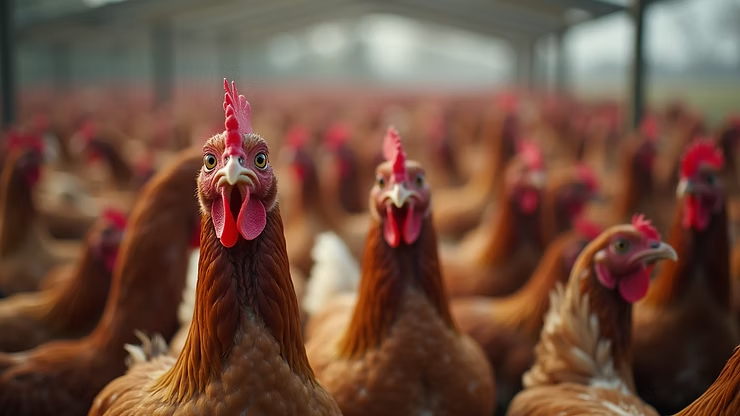
A poultry farm highlighting biosecurity measures against bird flu.