
Introduction
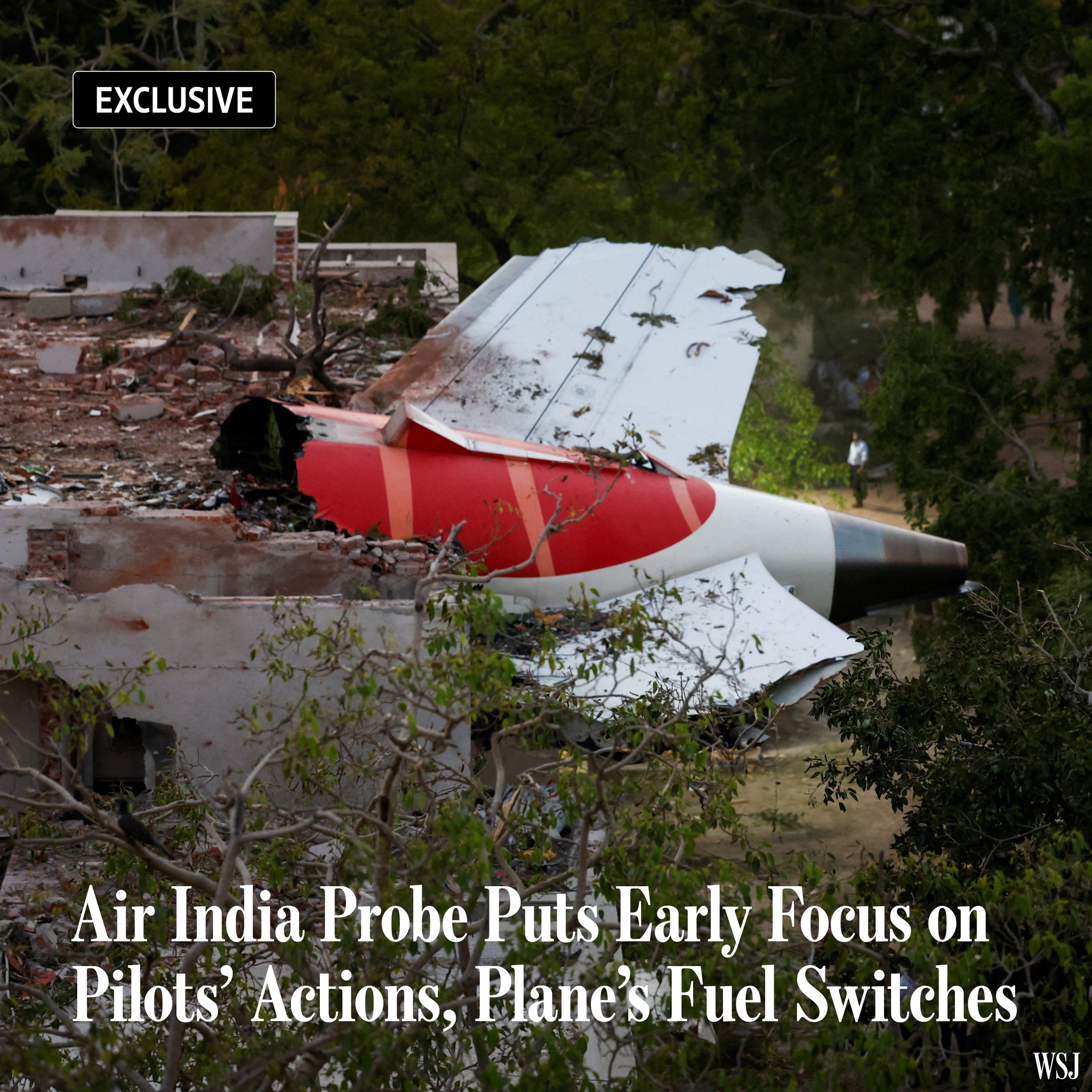
The recent plane crash in Ahmedabad has raised many questions. As news spreads, some quickly blame the pilot. However, jumping to conclusions can be harmful. Aviation accidents are complicated. Understanding all the factors is more important than blaming one individual. Experts highlight the need for thorough investigations to uncover the true causes. It is essential to look beyond just pilot error and consider other influences that might have contributed to the crash.
Rethinking Pilot Error as the Default Explanation
Understanding Pilot Error in Aviation Accidents
People often view pilot error as the main reason for plane crashes. This refers to mistakes made by pilots during a flight. Data shows that pilot error accounts for about 60-70% of aviation accidents. But this figure does not tell the whole story. Many crashes result from factors beyond the pilot’s control. Sometimes, what seems like a mistake is really a sign of a deeper issue.
The Risks of Jumping to Conclusions
Quickly blaming pilots can lead to incorrect conclusions. Early assumptions might overlook mechanical problems or weather issues. Premature blame also damages the reputations of airlines and can delay safety improvements. For instance, in past incidents, initial reports pointed fingers at pilots, but later investigations revealed faulty equipment or inadequate maintenance. Jumping to conclusions can obscure the real cause and hinder effective solutions.
Expert Perspective on Attribution
Aviation safety experts recommend patience and careful investigation. Proper investigations must follow strict procedures and collect all relevant data. Only after thoroughly analyzing the facts can we identify the true cause. This process takes time but ultimately leads to safer flying for everyone. Experts agree that rushing to judgment can be risky and misleading.
Other Factors Contributing to Aviation Accidents
Mechanical Failures and Technical Malfunctions
Planes are intricate machines. Mechanical issues frequently cause crashes. Faulty engines, hydraulic failures, or electrical glitches can endanger safety. For example, the 2009 Air France crash was linked to technical failures caused by pitot tubes freezing. Such problems often go unnoticed until it’s too late.
Weather Conditions and Environmental Factors
Bad weather can make flying hazardous. Heavy rain, fog, or strong winds can challenge pilots’ ability to control aircraft. Sometimes, weather alone causes accidents without any pilot error. For instance, in the 2014 crash in Taiwan, poor weather was a significant factor. Unpredictable conditions can surprise even skilled pilots and ground crews.
Air Traffic Control and Ground Support
Clear communication with air traffic controllers is crucial. Misunderstandings or mistakes in ground management can create confusion during flight. Sometimes, instructions are misinterpreted, leading to accidents. Proper coordination and technology, such as radar and automated systems, help reduce these risks.
Human Factors Beyond the Pilot
Crew teamwork is vital during emergencies. Stress, fatigue, or health problems can impair judgment. Inexperienced crew members or inadequate training can also raise the risk of accidents. For example, fatigue can slow reaction times and lead to mistakes in critical moments. Human factors extend beyond just the pilot and involve everyone on board.
The Ahmedabad Plane Crash: What Do Experts Say?
Investigation Findings and Challenges
Authorities are still investigating the Ahmedabad crash. This involves analyzing wreckage, weather data, and flight recordings. Challenges include limited access to certain data sources and the complexity of the incident. Experts emphasize the need for thorough investigations to uncover the real causes.
Expert Analysis and Opinions
Many aviation safety specialists stress the need for patience. Preliminary reports often do not provide the full picture. Some experts suggest mechanical failure, weather, or ground support issues could be behind the crash. They caution against assuming pilot error from the beginning.
Lessons Learned and Safety Improvements
Every accident teaches us something. Improving safety requires better aircraft maintenance, upgraded technology, and ongoing pilot training. Experts recommend reviewing procedures, especially in areas like weather management and technical oversight. This can help prevent similar incidents in the future.
Moving Forward: Ensuring Fair and Comprehensive Investigations
Best Practices in Aviation Accident Investigation
Investigators need to remain objective and gather information from various sources, such as pilots, equipment, weather data, and air traffic control. Multidisciplinary teams and advanced tools like simulations can reveal root causes. Avoiding bias and examining all aspects leads to more accurate results.
Actionable Tips for Airlines and Regulators
Safety is a shared responsibility. Airlines should invest in strong maintenance and staff training. Regulations must enforce rigorous checks and backup systems. Promoting a safety-first culture encourages transparency and continuous improvement.
Public and Media Responsibility
While reporting news is important, rushing to conclusions can mislead the public. Reporting should rely on official findings and expert insights. Patience and critical thinking are necessary before assigning blame or spreading rumors.
Conclusion
Before blaming the pilot, we must explore all possible causes of an aviation accident. Mechanical issues, weather conditions, communication errors, and human factors all play a role. Proper investigations, guided by expert insights, help us better understand aircraft crashes. Only through balanced analysis and ongoing safety efforts can we make flying safer for everyone. Remember, aviation safety is not about blaming but about learning and continuous improvement.