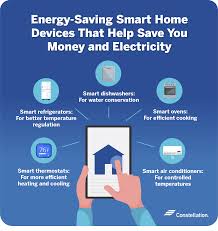
The United States is witnessing a significant shift towards energy efficiency, with millions of households now leveraging technology to cut down on their electricity bills.

A recent trend shows that households using smart energy management tools are experiencing a notable decrease in their energy expenses. By providing real-time data and insights, these tools empower consumers to make informed decisions about their energy usage.
The adoption of smart energy apps is on the rise, driven by the desire to reduce electricity costs and promote energy-efficient practices.
Key Takeaways
- Smart energy apps help households monitor and manage their energy consumption effectively.
- The use of these apps leads to significant reductions in electricity bills.
- Energy-efficient households benefit from lower utility costs and a reduced carbon footprint.
- The integration of smart energy apps is a growing trend in the US.
- Real-time data and insights enable consumers to make informed decisions about energy usage.
The Rising Cost of Electricity in the United States
Rising electricity costs have become a pressing concern for American households. The cost of electricity has been increasing due to various factors, making it essential for consumers to understand the trends and causes behind these changes.
Current Electricity Price Trends
The current electricity price trends in the US show a steady increase over the past few years. This rise is attributed to several factors, including regional variations and seasonal fluctuations.
Regional Variations Across States
Electricity prices vary significantly across different states due to factors like local energy sources, transmission infrastructure, and regulatory policies. For instance, states with abundant renewable energy sources may have lower electricity prices compared to those relying heavily on fossil fuels.
Seasonal Fluctuations
Seasonal demand significantly impacts electricity prices. During peak summer months, increased air conditioning usage drives up demand, leading to higher prices. Conversely, lower demand during spring and fall can result in relatively lower prices.
Factors Affecting Electricity Costs
Several factors contribute to the rising cost of electricity, including aging infrastructure and transitions in energy sources.
Infrastructure Aging
Aging infrastructure requires maintenance and upgrades, which are costly. These expenses are often passed on to consumers in the form of higher electricity bills.
Energy Source Transitions
The shift towards cleaner energy sources, while beneficial for the environment, can involve significant upfront costs. These costs are gradually being incorporated into the electricity pricing structure.
| Factor | Impact on Electricity Costs |
|---|---|
| Infrastructure Aging | Increased maintenance and upgrade costs |
| Energy Source Transitions | Higher initial investment in renewable energy |
| Seasonal Fluctuations | Price surges during peak demand periods |
Understanding Smart Energy Technology
Smart energy technology is revolutionizing the way we consume energy, providing households with innovative tools to manage their electricity usage more effectively. This technology encompasses a range of advanced solutions designed to optimize energy consumption and reduce waste.
What Makes Energy Technology “Smart”
Smart energy technology is characterized by its ability to collect and analyze data on energy usage, as well as make automated decisions to optimize energy consumption.
Data Collection and Analysis
Advanced sensors and smart meters collect detailed data on energy usage patterns, which is then analyzed to identify areas of inefficiency.
Automated Decision Making
Using the insights gained from data analysis, smart energy systems can automatically adjust energy usage in real-time to minimize waste and reduce costs.
The Evolution of Home Energy Management
The management of home energy has undergone significant transformations over the years, from traditional manual meters to modern AI-powered systems.
From Manual Meters to AI-Powered Systems
The shift from manual meters to AI-powered systems has enabled more precise control over energy consumption, allowing households to make data-driven decisions.
The Role of IoT in Energy Management
The Internet of Things (IoT) plays a crucial role in smart energy management by connecting various devices and enabling seamless communication between them.
| Feature | Traditional Energy Management | Smart Energy Technology |
|---|---|---|
| Data Collection | Manual Meter Reading | Automated Smart Meters |
| Data Analysis | Limited Insights | Advanced Analytics |
| Decision Making | Manual Adjustments | Automated Decision Making |
How Smart Energy Apps Are Helping US Households Reduce Electricity Bills
Smart energy apps have revolutionized the way US households manage their electricity consumption, leading to significant reductions in their bills. These apps offer a range of features that help households understand and control their energy usage.
Real-Time Monitoring Capabilities
One of the key features of smart energy apps is their ability to monitor energy consumption in real-time. This capability is further enhanced through:
Instant Consumption Alerts
Users receive instant alerts about their energy consumption patterns, allowing them to identify and rectify inefficient usage promptly.
Peak Usage Identification
The apps help users identify periods of peak energy usage, enabling them to adjust their consumption habits accordingly.
Personalized Energy-Saving Recommendations
Beyond real-time monitoring, smart energy apps also provide personalized recommendations to help households save energy.
Habit-Based Suggestions
These apps analyze users’ energy consumption habits and offer tailored suggestions to reduce waste and optimize energy usage.
Seasonal Optimization Tips
Additionally, smart energy apps provide seasonal tips to help households adjust their energy consumption according to changing weather conditions, further optimizing their energy savings.
By combining real-time monitoring with personalized recommendations, smart energy apps empower US households to make informed decisions about their energy usage, leading to significant reductions in their electricity bills.
Types of Smart Energy Apps Available in the US Market
The landscape of smart energy apps in the US is varied, including utility-provided, third-party, and smart home ecosystem apps. These different types of apps cater to various consumer needs, from real-time energy monitoring to personalized energy-saving recommendations.
Utility-Provided Apps
Many utility companies in the US offer their own smart energy apps to help customers monitor and manage their energy consumption. These apps are often integrated with the utility’s billing system, providing users with detailed insights into their energy usage patterns.
Benefits and Limitations
Utility-provided apps offer the advantage of being closely tied to the user’s actual energy consumption data. However, they might be limited in their functionality compared to third-party apps.
Integration with Billing Systems
One of the key benefits of utility-provided apps is their seamless integration with billing systems, allowing for accurate and up-to-date information on energy usage and costs.
Third-Party Energy Management Platforms
Third-party energy management platforms offer independent monitoring solutions that can sometimes provide more detailed insights than utility-provided apps. These platforms often support cross-utility compatibility, making them versatile options for consumers.
Independent Monitoring Solutions
These solutions can monitor energy usage in real-time, providing detailed breakdowns of consumption patterns.
Cross-Utility Compatibility
Third-party apps can often work with multiple utility companies, making them a convenient option for households that might switch providers or have multiple locations.
Smart Home Ecosystem Apps
Smart home ecosystem apps, such as those integrated with Google Home and Apple HomeKit, offer energy management features as part of a broader smart home platform.
Google Home Energy Dashboard
Google Home’s energy dashboard provides users with insights into their energy consumption and helps manage smart devices.
Apple HomeKit Energy Tracking
Apple HomeKit allows users to track energy usage and manage their smart home devices through a single, integrated platform.
Key Features of Effective Energy-Saving Apps
To significantly reduce electricity bills, households are turning to energy-saving apps with sophisticated capabilities. These apps offer a range of features that help users monitor, manage, and optimize their energy consumption effectively.
Usage Analytics and Visualization
One of the primary features of effective energy-saving apps is their ability to provide detailed usage analytics and visualization. This includes:
Daily and Monthly Consumption Graphs
Users can view their energy consumption patterns through interactive graphs, helping them identify peak usage times and areas for improvement.
Comparative Analysis Tools
These tools enable users to compare their energy usage over different periods, fostering a better understanding of their consumption habits.
Appliance-Level Consumption Breakdown
Effective energy-saving apps also provide an appliance-level consumption breakdown, allowing users to:
Energy Vampires Identification
Identify devices that consume excessive energy even when turned off or on standby, often referred to as “energy vampires.”
Efficiency Recommendations
Receive personalized recommendations on how to improve the energy efficiency of their appliances.
Goal Setting and Progress Tracking
Another crucial feature is the ability to set energy-saving goals and track progress. This includes:
Financial Saving Targets
Users can set specific financial savings targets and monitor their progress towards achieving them.
Environmental Impact Metrics
The apps provide metrics on the environmental impact of their energy-saving efforts, such as reduced carbon footprint.
| Feature | Description | Benefit |
|---|---|---|
| Usage Analytics | Detailed energy consumption data | Identify areas for improvement |
| Appliance-Level Breakdown | Energy usage by device | Optimize appliance efficiency |
| Goal Setting | Set and track energy-saving targets | Achieve financial and environmental savings |
Integration with Smart Home Devices
The synergy between smart energy apps and smart home devices is enabling households to optimize their energy consumption like never before. This integration allows for a more automated and efficient management of home energy usage.
Smart Thermostats
Smart thermostats play a crucial role in home energy management by adjusting temperatures based on various factors. Two key features of smart thermostats are:
Automated Temperature Optimization
This feature allows smart thermostats to learn and adjust the temperature settings based on the household’s schedule and preferences, ensuring optimal energy usage.
Occupancy-Based Adjustments
Smart thermostats can detect when the house is occupied or vacant and adjust the temperature accordingly, preventing unnecessary energy consumption.
Smart Plugs and Switches
Smart plugs and switches offer another layer of energy management by controlling the power supply to various appliances. Their key features include:
Scheduling High-Consumption Devices
Homeowners can schedule high-consumption devices to operate during off-peak hours, reducing strain on the grid and lowering energy bills.
Remote Power Management
The ability to remotely turn devices on or off allows homeowners to manage their energy usage even when they’re not at home.
Smart Lighting Systems
Smart lighting systems contribute significantly to energy efficiency through advanced features such as:
Motion-Based Controls
Lighting that adjusts based on occupancy ensures that lights are not left on unnecessarily.
Daylight Harvesting Features
By adjusting lighting levels based on natural daylight availability, these systems reduce the need for artificial lighting.
| Smart Home Device | Key Features | Energy Saving Potential |
|---|---|---|
| Smart Thermostats | Automated Temperature Optimization, Occupancy-Based Adjustments | Up to 20% on heating and cooling |
| Smart Plugs and Switches | Scheduling High-Consumption Devices, Remote Power Management | Up to 15% on appliance energy usage |
| Smart Lighting Systems | Motion-Based Controls, Daylight Harvesting Features | Up to 30% on lighting energy usage |

Top Smart Energy Apps for American Households
Smart energy apps have revolutionized the way American households manage their energy usage, offering real-time monitoring and personalized recommendations. These apps not only help in reducing energy consumption but also provide insights into energy usage patterns.
Sense Energy Monitor
The Sense Energy Monitor is a sophisticated app that provides detailed information about energy usage at the device level. Its advanced technology allows for:
Device Detection Technology
This feature enables the app to identify and monitor individual devices within a household, providing a comprehensive breakdown of energy consumption.
Cost and Installation Requirements
The Sense Energy Monitor requires professional installation and is priced around $299, with a monthly subscription fee of $9.99 for detailed energy insights.
Nest
Nest is a well-known brand in the smart home ecosystem, offering a range of energy-saving solutions. Key features include:
Learning Thermostat Integration
Nest’s learning thermostat adapts to a household’s temperature preferences, optimizing heating and cooling to save energy.
Energy History Reports
The app provides detailed energy history reports, allowing users to track their energy usage over time and make informed decisions.
Emporia Energy
Emporia Energy offers a comprehensive energy monitoring system that includes:
Circuit-Level Monitoring
This feature allows for detailed monitoring of energy usage at the circuit level, providing a granular view of energy consumption.
Solar Integration Capabilities
Emporia Energy’s system can integrate with solar panels, enabling households to monitor their solar energy production and consumption.
Ohm Connect
Ohm Connect is an innovative app that rewards users for reducing their energy consumption during peak periods. Its key features include:
Demand Response Programs
Ohm Connect participates in demand response programs, offering users the opportunity to earn rewards by shifting their energy usage.
Reward Systems for Energy Reduction
Users can earn cash rewards by reducing their energy consumption during specified periods, promoting energy efficiency.
| App Name | Key Features | Cost |
|---|---|---|
| Sense Energy Monitor | Device detection, energy insights | $299 + $9.99/month |
| Nest | Learning thermostat, energy reports | $249 – $349 |
| Emporia Energy | Circuit-level monitoring, solar integration | $299 – $499 |
| Ohm Connect | Demand response, reward system | Free |
Federal and State Incentives for Smart Energy Adoption
As the US continues to push towards energy efficiency, numerous federal and state incentives have been introduced to support smart energy adoption. These incentives aim to reduce the financial burden on households and businesses looking to transition to smart energy technologies.
Tax Credits for Energy Management Systems
The federal government offers tax credits for the installation of energy management systems, including smart thermostats and home energy monitoring systems. To qualify, these systems must meet specific energy efficiency standards.
Qualification Requirements
To be eligible for the tax credit, the energy management system must be installed in a primary or secondary residence. The system must also be certified by a recognized third-party organization.
Application Process
Homeowners can claim the tax credit by filing Form 5695 with their tax return. The credit is calculated based on the cost of the system and its installation.
Utility Company Rebate Programs
Many utility companies across the US offer rebate programs for customers who install smart energy devices. These rebates can significantly reduce the upfront cost of smart energy systems.
Regional Availability
Rebate programs vary by utility company and region. Customers should check with their local utility provider to see if such programs are available.
Typical Savings Amounts
The amount of savings through utility rebates can vary widely, from $50 to $200 or more, depending on the device and program.
Cost Savings: Real Numbers from American Users
Real data from American users demonstrates the effectiveness of smart energy apps in lowering electricity bills. According to recent studies, households using these apps have seen significant reductions in their energy costs.
Average Savings Percentages
The average savings vary by region and housing type. For instance, households in regions with extreme climates tend to benefit more from smart energy management.
By Region and Climate Zone
In hotter climates, smart thermostats integrated with energy apps have shown to save up to 20% on cooling costs. Conversely, in colder regions, optimized heating through smart home systems can reduce heating bills by up to 15%.
By Housing Type
Apartment dwellers have reported an average savings of 10-12%, while single-family homes have seen savings ranging from 15-20%. The variation is largely due to the differences in energy usage patterns and the potential for optimization.
Return on Investment Timeframes
The initial cost of smart energy systems can be substantial, but the long-term savings often justify the investment.
Initial Costs vs. Long-Term Savings
On average, households can expect to recoup their investment within 2-3 years through energy savings. Some utility companies also offer rebates that can shorten this timeframe.
Case Studies from Different States
For example, a household in California reported a 25% reduction in energy bills after installing a smart energy management system, achieving payback within 2 years.

“We saved $300 annually on our energy bills after switching to a smart energy app. It’s been a game-changer for our household budget.”
— A satisfied user from Texas
Such case studies underscore the potential of smart energy apps to deliver tangible cost savings across different regions.
Behavioral Changes Prompted by Smart Energy Apps
Smart energy apps play a crucial role in promoting energy awareness and driving behavioral changes in households. By providing users with detailed insights into their energy consumption patterns, these apps empower them to make informed decisions about their energy usage.
Increased Energy Awareness
One of the primary ways smart energy apps prompt behavioral change is by increasing energy awareness. This is achieved through:
- Consumption Pattern Recognition: Users can identify which appliances and habits consume the most energy.
- Family Engagement in Conservation: The apps often provide features that encourage all family members to participate in energy-saving efforts.
Habit Formation and Long-Term Impact
Beyond immediate awareness, smart energy apps contribute to the formation of sustainable energy habits. Key aspects include:
- Sustainable Behavior Adoption: By setting goals and tracking progress, users are more likely to adopt energy-efficient behaviors.
- Community Comparison Effects: Some apps allow users to compare their energy usage with that of their neighbors, fostering a sense of community and competition.
As households continue to use smart energy apps, the data suggests that the initial curiosity-driven engagement can lead to long-term behavioral changes, contributing to a more energy-efficient future.
Challenges and Limitations
The adoption of smart energy apps is not without its hurdles. As households increasingly turn to these technologies to manage their energy consumption, several challenges have come to the forefront.
Privacy Concerns
One of the primary concerns is privacy. Smart energy apps collect detailed data on household energy usage, raising questions about data protection and user privacy.
Data Collection Practices
These apps often gather extensive data on energy consumption patterns, which can be sensitive information.
Information Sharing Policies
How this data is shared and with whom is a critical concern for users.
Technical Barriers to Adoption
Technical issues also pose significant barriers. The complexity of installing and configuring smart energy systems can deter potential users.
Installation Complexity
Some systems require professional installation, adding to the upfront cost.
Compatibility Issues
Ensuring that smart energy devices are compatible with existing infrastructure is another challenge.
| Challenge | Description | Impact |
|---|---|---|
| Privacy Concerns | Data collection and sharing practices | User trust and adoption rates |
| Technical Barriers | Installation complexity and compatibility | User experience and system effectiveness |
Accuracy Issues
Accuracy is another area of concern, with issues surrounding measurement precision and device recognition limitations affecting the reliability of the data provided by smart energy apps.
Embracing a Smarter Energy Future
As the United States continues to navigate the complexities of energy consumption, smart energy apps have emerged as a vital tool for households seeking to reduce their electricity bills. By providing real-time monitoring capabilities, personalized energy-saving recommendations, and seamless integration with smart home devices, these apps empower users to take control of their energy usage.
The adoption of smart energy apps is a crucial step towards creating energy-efficient households. By leveraging the insights and capabilities provided by these technologies, American households can make informed decisions about their energy consumption, leading to significant cost savings and a reduced environmental impact.
As the market for smart energy apps continues to evolve, it is clear that these technologies will play an increasingly important role in shaping the future of energy management in the US. By embracing smart energy apps, households can contribute to a more sustainable energy landscape while enjoying the benefits of lower electricity bills.
FAQ
What are smart energy apps, and how do they help reduce electricity bills?
Smart energy apps are digital tools that help households monitor and manage their energy consumption. They provide real-time data on energy usage, offer personalized energy-saving recommendations, and integrate with smart home devices to optimize energy efficiency, ultimately leading to reduced electricity bills.
How do smart energy apps monitor energy consumption?
Smart energy apps typically monitor energy consumption through smart meters or by connecting to existing smart home devices. They collect data on energy usage patterns, providing insights into consumption habits and identifying areas for improvement.
Can smart energy apps work with all types of smart home devices?
Most smart energy apps are designed to be compatible with a wide range of smart home devices, including thermostats, plugs, switches, and lighting systems. However, compatibility may vary depending on the specific app and device, so it’s essential to check compatibility before choosing an app.
Are there any costs associated with using smart energy apps?
Some smart energy apps are free or low-cost, while others may require a subscription or a one-time purchase. Additionally, some utility companies offer free or discounted smart energy apps as part of their energy efficiency programs.
How do smart energy apps provide personalized energy-saving recommendations?
Smart energy apps use data on a household’s energy consumption patterns, along with other factors like weather and occupancy, to provide tailored energy-saving recommendations. These recommendations might include adjusting thermostat settings, shifting energy-intensive tasks to off-peak hours, or optimizing lighting usage.
Can smart energy apps help households with solar panels or other renewable energy sources?
Yes, many smart energy apps can integrate with solar panels and other renewable energy sources, providing insights into energy production and consumption. This can help households optimize their energy usage and maximize the benefits of their renewable energy systems.
Are there any federal or state incentives for adopting smart energy solutions?
Yes, there are various federal and state incentives available for adopting smart energy solutions, including tax credits for energy management systems and utility company rebate programs. These incentives can help offset the costs of implementing smart energy technologies.
How do smart energy apps impact household behavior and energy consumption habits?
Smart energy apps can significantly impact household behavior and energy consumption habits by increasing energy awareness, facilitating consumption pattern recognition, and promoting sustainable behavior adoption. By providing insights into energy usage and offering personalized recommendations, these apps can help households develop more energy-efficient habits.