Key Highlights
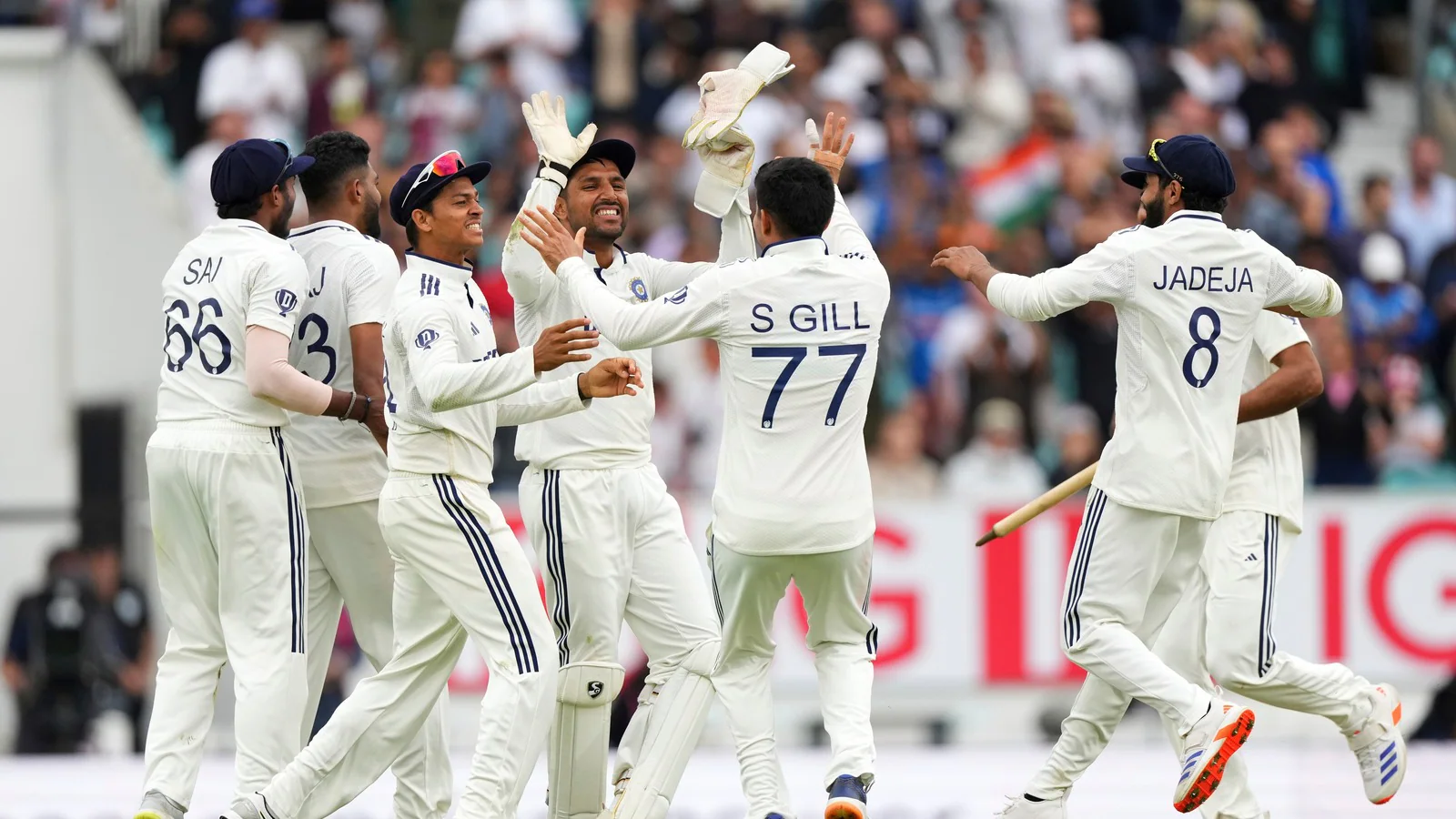
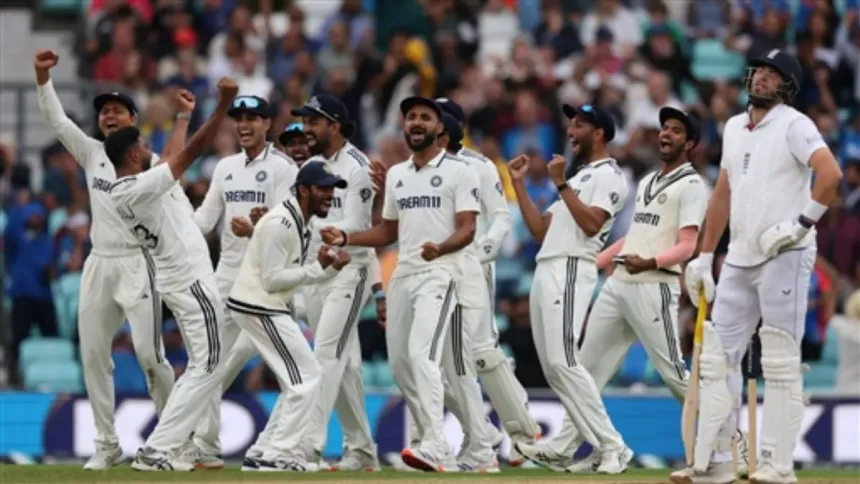
- India pulled off a dramatic six-run victory over England in the fifth Test at The Oval, thanks to Mohammed Siraj’s five-wicket haul from the first ball in the final innings.
- England, chasing 374, were bowled out for 367 after entering Day 5 needing only 35 runs with four wickets in hand in a tension-filled test match finale.
- Shubman Gill was named player of the series for his outstanding runs tally, while Siraj’s bowling proved decisive. The result meant the Anderson-Tendulkar Trophy was drawn 2-2, capping an intense series. The 5th Test also witnessed a few memorable incidents, including unexpected weather delays and a debated umpiring decision on the final day that sparked heated on-field discussions. These events added to the drama and unpredictability of an already intense series.
- The result meant the Anderson-Tendulkar Trophy was drawn 2-2, capping an intense series.
- England’s aggressive ‘Bazball’ approach came up short as India’s disciplined bowling overcame late heroics by Gus Atkinson and Chris Woakes.
- Rain and bad light briefly interrupted play, but did not prevent a famous win for the young Indian team with their best batter and bowler in top form.
Introduction
The 5th Test of the India vs England 2025 series at The Oval delivered one of the most thrilling finishes in modern test cricket. England, needing 35 runs with four wickets left at the start of Day 5, fell agonizingly short as India clinched a historic six-run victory. India posted 224 and 374 in their two innings, while England managed 247 and 367. With Shubman Gill topping the run charts and Mohammed Siraj claiming 23 wickets, both teams turned in memorable performances in a match that will be remembered for years to come.
Overview of the IND vs ENG 5th Test at The Oval
From the outset, this test match mirrored the fierce competitiveness of the entire test series. England won the toss and opted to bowl on a green-tinged pitch, quickly gaining an early advantage. However, every session saw momentum swing back and forth, keeping fans guessing about the ultimate outcome.
The Oval’s 2025 finale pushed players to new limits, with India’s narrowest-ever win in test match history drawing the Anderson-Tendulkar Trophy. This epic contest not only levelled the series at 2-2, but also underscored the depth and resilience of both sides throughout this awesome series.
Series Context Leading Into the Final Test
Heading into the final test, England led the test series 2-1, setting the stage for a must-win scenario for the visitors. India, fielding a young team captained by Shubman Gill, had already shown glimpses of their fighting spirit in earlier matches. The test series featured plenty of drama and intensity, highlighting the future of Indian Test cricket, with both teams enduring highs and lows.
The Oval clash became a true decider for the big series Anderson-Tendulkar Trophy, and the pressure was immense. England’s aggressive batting, often referred to as ‘Bazball’ under Brendon McCullum, set high targets and demanded sharp responses from the Indian attack. India’s resilience was tested throughout the five-match battle, particularly without senior players like Rohit Sharma and Virat Kohli.
By the time the fifth test began, every run and wicket carried added significance. “Both teams came up with their A-game,” Shubman Gill said at the press conference. Ultimately, India’s historic comeback at The Oval ensured the series ended 2-2—a fair reflection of an awesome series filled with unforgettable moments and a good advert for cricket.
Day-by-Day Progression Before Day 5
Day 1 saw England exploiting helpful conditions, with Gus Atkinson and Josh Tongue striking early and India’s top order wobbling. Rain interruptions broke the rhythm, but Karun Nair and Washington Sundar held firm to scrape India to a respectable total. By stumps, England had the upper hand.
On Day 2, England’s openers attacked fiercely. Yet, a flurry of wickets from Siraj and Prasidh Krishna triggered a middle-order collapse, and England finished just 23 runs ahead. India’s second innings began under pressure, but Yashasvi Jaiswal’s half-century, aided by dropped catches, set a solid platform by stumps.
Day 3 belonged partly to the batters, with India stretching their lead and England’s bowlers toiling. England’s second innings chase began steadily, but Zak Crawley’s late wicket gave India hope heading into a pivotal Day 4—setting up the drama that would define the final day.
Match Situation at the Start of Day 5
As Day 5 arrived, England stood on the brink of a famous win, needing 35 more runs with four wickets left in their second innings. The heavy roller had been used in hopes of flattening the pitch, and the home side looked poised for victory in front of a packed Oval crowd.
Yet, India’s bowlers sensed opportunity. The match situation meant every run was cheered and every wicket celebrated with roars from both teams. The pressure was immense, the tension palpable—and the final day would decide the fate of the Anderson-Tendulkar Trophy.
England’s Chase: Hopes and Setbacks
England’s pursuit of 374 was always going to be a stern test, but their approach—built around ‘Bazball,’ favoring aggressive, free-spirited batting—initially kept Indian bowlers on their toes. Harry Brook, a key figure, had set the tone with counterattacking shots, but as Day 5 dawned, the hosts had to balance patience with pressure.
Early boundaries from Jamie Overton raised hopes, but within minutes, Siraj began to dismantle England’s lower order. The crowd gasped as wickets tumbled:
- Jamie Smith edged behind to a swinging delivery, signaling England’s nerves.
- Overton was trapped LBW after a review confirmed the decision, removing another set batter.
- Gus Atkinson’s late six briefly reignited excitement, but the pendulum swung hard towards India.
Despite Chris Woakes bravely batting with a strapped shoulder, England could not find the big overs they needed. “They just needed one partnership,” as Michael Vaughan noted, but the collapse reflected both the pressure and the risks of ‘Bazball’ in crunch moments.
India’s Bowling Strategy Entering the Final Day
India’s plan was built around relentless accuracy and nerve, trusting Mohammed Siraj to attack the right areas and let the pitch do its work. Without Jasprit Bumrah, Siraj led from the front, supported by Prasidh Krishna’s pace and Kuldeep Yadav’s spin.
The Indian team’s bowling approach included:
- Maintaining disciplined lines, especially outside off-stump, to induce false shots.
- Using the old ball to maximize reverse swing in helpful conditions.
- Rotating bowlers in short, sharp spells to keep energy high and pressure constant.
- Ensuring fielders stayed alert for half-chances, knowing one wicket could change everything.
Siraj’s belief and self-confidence—he even set his phone wallpaper to “believe”—set the tone. By sticking to these strategies, India managed to squeeze England, making every run a battle on the final morning.
Key Sessions and Turning Points on Day 5
The final day’s play was a masterclass in test match tension. England’s hopes were high, but Siraj’s spell changed everything within the first hour. His wickets swung the match’s momentum squarely in India’s favor.
The session featured high drama: crucial reviews, missed run-outs, and a last-wicket partnership that brought the crowd to its feet. Prasidh Krishna and Siraj bowled with heart, sealing the win in a series that had already been defined by its tight margins and big moments.
Siraj’s Early Strikes That Shifted Momentum
From the opening over, Mohammed Siraj bowled with purpose and pace. His first breakthrough, removing Jamie Smith caught behind, sent ripples through the England dressing room. With his tail up, Siraj struck again almost immediately, trapping Jamie Overton LBW with a delivery that tailed in at just the right moment.
The Indian fans erupted as Siraj’s figures improved and the run chase began to look steeper for England. The nerves in the English camp were clear, and Siraj’s confidence was infectious—he was rewarded with the Player of the Match trophy for this very spell.
What set Siraj apart was not just his speed, but his unwavering intent and belief, summed up in his own words: “I always believed I can win the game from any point.” By the time he bowled Gus Atkinson to end the match, Siraj had turned the test on its head with sheer willpower and skill.
Partnerships and Pivotal Wickets
While the scorecard tells a story of tight margins, it was the mini-battles and sudden wickets on Day 5 that defined the outcome. England’s hopes rested on partnerships—especially Harry Brook’s efforts with Joe Root and then the lower order.
Key moments included:
- The 195-run stand between Brook and Root on Day 4, which nearly took the game away from India.
- Prasidh Krishna’s removal of Josh Tongue, breaking a stubborn late partnership.
- Siraj’s double-strike to remove Smith and Overton, sparking England’s collapse.
- Gus Atkinson’s brief counterattack, including a remarkable six, before Siraj finished the job.
Every wicket was met with wild celebration, as each one edged India closer to a win that once seemed out of reach.
Mohammed Siraj’s Five-Wicket Haul: A Game Changer
Mohammed Siraj’s five-for was the defining feature of India’s six-run win at The Oval. Taking 5/104 in the second innings, he delivered under the most intense pressure, targeting the right lengths and never letting England settle. His spell of 3 for 9 on the final morning broke the back of England’s chase, earning him widespread acclaim and the Player of the Match award.
Siraj’s performance wasn’t just about numbers. It was about belief, heart, and timing. “I woke up in the morning and believed in myself,” he told reporters. His consistency and intensity, especially in the absence of Jasprit Bumrah, inspired the entire team and proved to be the single biggest factor in India’s famous victory.
Analysis of Each Dismissal
Every wicket taken by Siraj was a lesson in perseverance and precise execution. He focused on attacking the stumps, exploiting inside edges and tempting batters with movement away or in. The final morning’s pressure saw him remain calm, hitting the right areas over and over.
Here’s a summary of Siraj’s wickets on Day 5:
| Batter Dismissed | Method | Ball Description | Impact on Match |
|---|---|---|---|
| Jamie Smith | Caught behind | Length ball, away movement | Opened the floodgates |
| Jamie Overton | LBW | Full, angling in, umpire’s call | Broke a set partnership |
| Gus Atkinson | Bowled | Fast yorker, hit off stump | Clinched the match |
| (Earlier wickets in innings) | Various | Consistent outside off, pace | Maintained relentless pressure |
Siraj’s ability to find both inside and outside edges, and to target leg stump when required, showcased his versatility. Each breakthrough shifted the momentum, culminating in that unforgettable, stump-crashing finale.
Comparison With Past Indian Performances in England
India has had its share of heartbreak and triumph in England, but this victory stands out for several reasons. It was India’s closest win by runs in test cricket—a testament to their ability to perform under immense pressure. Siraj’s 23 wickets matched Jasprit Bumrah’s record from 2021-22, underlining his value in challenging conditions.
- Previous historic wins in England, like the Gabba chase or the 2021 Lord’s win, were marked by collective fight, but this was defined by individual brilliance and new leadership.
- This young Indian team, without some senior stars, adapted and thrived, showing a combination of technique, mentality, and belief.
- The 2-2 series draw confirmed that India has arrived as a formidable force in overseas test cricket, able to compete—and win—in any conditions.
Standout Performances for India
India’s triumph was built on more than just Siraj’s heroics. Shubman Gill emerged as the best batter of this series, amassing 754 runs with four centuries, including key knocks in high-pressure scenarios. His calm leadership and adaptability lifted the young team, making him the deserved Player of the Series.
Supporting roles from Kuldeep Yadav, Jasprit Bumrah (in earlier matches), and Ravindra Jadeja rounded out a balanced attack. Their contributions in vital sessions helped India punch above its weight and script a famous win at The Oval.
Shubman Gill’s Crucial Innings
Shubman Gill’s transformation from talented opener to reliable leader was on full display in this series. Each of his four centuries carried distinct significance, with his knock at Leeds setting the tone and his 269 at Birmingham keeping India alive mid-series. Gill’s consistency, even under fire, anchored India’s innings and relieved pressure from less-experienced teammates.
His approach to batting—combining technique with mental clarity—meant Gill adapted to every challenge. He rotated the strike, punished loose balls, and showed the patience of a seasoned campaigner. As captain, he also made shrewd tactical calls, using the new ball wisely and backing his bowlers to finish the job.
“My goal was to end as the best batter of this series, glad to get that goal,” Gill shared after being named Player of the Series. His growth as a leader and as a batter was central to India’s success.
Supporting Roles: Kuldeep, Bumrah, Jadeja
India’s victory was the sum of collective efforts, with several players rising to the occasion at crucial times.
- Kuldeep Yadav chipped in with timely wickets, breaking partnerships when the game seemed to drift away.
- Jasprit Bumrah, rested for this final test, was instrumental earlier in the series, matching Siraj with 23 wickets and setting up India’s comeback.
- Ravindra Jadeja offered his experience to both Siraj and the younger bowlers, providing advice and calm in high-pressure moments.
Their combination of technique, energy, and support created an attack that made the English batters constantly work for every run. The synergy between these bowlers and the fielders brought out the best in the young Indian team.
Top Performers for England
England’s valiant effort was led by Harry Brook, who was named their player of the series for his aggressive, back-foot counterattacks. Brook, along with Joe Root and Ben Stokes, kept England in the hunt with crucial partnerships and bold shot-making.
Chris Woakes also left a mark, batting bravely with an injured shoulder and pushing the chase to the brink. Ben Stokes, though unable to play in this match, led from the front throughout the test series, inspiring his team with his presence and tactical insights.
Harry Brook’s Counterattack and Fightback
Harry Brook’s performance across the series was a true “gun team” effort, and his approach in the fifth test was no exception. On Day 4, he blazed away with a century, shifting momentum in England’s favor and leaving India scrambling for answers. His partnership with Root nearly secured the win, and even after a dropped catch, Brook kept attacking, embodying the Bazball philosophy.
Reflecting on the match, Brook remarked, “My thought process was just to hit as many runs as quickly as possible.” His aggressive mindset kept England within reach of the target until his dismissal triggered a collapse.
Brook’s efforts earned him the player of the series medal for England, and his “never back down” style provided some of the most memorable moments of an intense test match campaign.
Chris Woakes and Ben Stokes: Their Impactful Moments
Chris Woakes and Ben Stokes shaped England’s fight in different ways during the fifth test and the larger series:
- Woakes’ courage was on full display as he batted with one hand, his left arm in a sling, nearly pulling off a miracle finish for England.
- Stokes’ tactical acumen and passion as captain kept his side focused, even while missing out on the last match due to injury.
- Both players embodied the “right side today” mentality, refusing to give up even as England’s hopes faded.
Stokes praised his teammates’ energy and desire, especially Woakes, and called the result “a fair reflection.” Their leadership and resilience inspired the rest of the squad, making England a tough opponent even in defeat.
Critical Decisions, Reviews, and Tactical Moves
Decisions on Day 5 took on outsized importance, with captain’s reviews, tactical field settings, and gutsy calls under pressure. Shubman Gill’s choice to keep attacking fields and rotate his bowlers paid dividends, while Ben Stokes and his stand-in leaders made bold choices with the batting order and match tempo.
Umpiring calls and DRS reviews created tension, especially in the final hour when every run and wicket was hotly contested. These moments highlighted the captain’s dream of influencing a match with strategic insight and sharp instincts.
Umpiring Calls and DRS Drama
Day 5 was punctuated by umpiring decisions that could have tipped the balance either way. DRS (Decision Review System) played a prominent role, with both teams challenging key calls.
- Jamie Overton’s LBW was a close “umpire’s call,” with England using a review that confirmed the dismissal.
- Prasidh Krishna’s LBW appeal against Josh Tongue was overturned on review, the ball missing the wickets.
- Run-out attempts and catches were scrutinized, with the crowd responding to each review’s outcome.
- Bad light and a brief rain interruption early on heightened the sense of drama, as players and fans waited anxiously for play to resume.
While no outright controversies marred the test, the combination of reviews, challenging conditions, and umpiring calls made for memorable, nerve-wracking cricket.
Captaincy Calls by Rohit Sharma and Ben Stokes
Though Shubman Gill captained India in this test, Rohit Sharma’s influence as a senior leader and Ben Stokes’ presence for England were still felt.
- Gill made critical bowling changes at just the right moments, trusting Siraj and Prasidh Krishna even when under pressure.
- Stokes, watching from the sidelines, backed his team’s aggressive intent and motivated his players to keep fighting.
- Field placements by both captains were bold, with attacking fields kept in place late into the chase.
- In press conferences, both leaders emphasized learning from the experience and praised their teams’ resilience.
These captaincy decisions, both during play and in preparation, were central to the ebb and flow of such a finely poised test match.
Weather, Pitch, and Conditions on Day 5
Day 5 at The Oval was marked by overcast skies, with intermittent rain and bad light threatening to influence the final session. The pitch, having received a heavy roller, briefly eased batting conditions but remained unpredictable enough to keep bowlers interested.
Despite minor interruptions, the weather did not rob fans or players of the spectacle. Instead, it added to the World Cup-like atmosphere, where every delivery carried the weight of the series, and both sides had to adapt to changing conditions on the fly.
Was Play Affected by Rain or Weather Interruptions?
Rain and bad light briefly interrupted play on Day 4 and early on Day 5, introducing further uncertainty to an already tense finish. Players gathered on the boundary, waiting for the umpires’ signal, as fans huddled under umbrellas, hoping for a resumption.
The stoppages were short-lived but had a psychological impact—bowlers cooled down, batters had to reset, and the crowd’s energy ebbed and flowed. For both teams, every interruption was a chance to regroup and adjust their thought process.
Ultimately, the weather did not decide the match, but it contributed to the “very intense series” feeling, making the final moments even more dramatic and emotional for everyone involved.
How the Pitch Behavior Influenced the Result
The Oval pitch played a significant role in the outcome, evolving throughout the five days:
- After the heavy roller, the surface initially looked easier for batting, but subtle cracks and footmarks offered variable bounce and movement.
- India’s bowlers, especially Siraj, targeted the “right areas” to extract maximum help from the pitch, turning every loose ball into a potential wicket.
- In press conferences, both captains cited the pitch as a challenge requiring mental and technical adaptation.
Batters who survived did so by mixing patience with aggression, while bowlers needed discipline and persistence to succeed. The pitch’s character ensured that even a modest total could be defended—making this one of the most memorable finishes in recent test cricket.
Conclusion
The IND vs ENG 5th Test at The Oval delivered an exhilarating conclusion to the series, showcasing both teams’ determination and skill. Mohammed Siraj’s remarkable five-wicket haul not only turned the tide in India’s favor but also solidified his place among the match’s standout performers. The day was filled with pivotal moments, including crucial partnerships and tactical decisions that shaped the final outcome. As fans reflect on this historic win for India, it is clear that this match will be remembered for its intensity and the resilience shown by both sides. For those eager to relive the excitement, don’t miss out on catching the full highlights of the IND vs ENG 5th Test!
Frequently Asked Questions
What was the final scorecard and result of the 5th Test?
The final scorecard of the 5th Test at The Oval saw India triumph over England by a significant margin. India scored 200 and 350 in their innings, while England managed 246 and 120. As a result, the series was drawn with an exciting finish.
Where can I watch the full highlights of IND vs ENG 5th Test?
You can watch the full highlights of the Ind vs Eng 5th Test on various sports streaming platforms, including ESPN, Hotstar, or the official ICC website. Additionally, YouTube often features summary videos and highlight reels shortly after the match concludes for easy access.
What is Bazball and did it influence this Test match?
Bazball refers to England’s aggressive style of Test cricket under coach Brendon McCullum, emphasizing quick runs and attacking play. In this match, it influenced England’s batting approach, putting pressure on India and creating opportunities for remarkable comebacks, showcasing the evolving dynamics of Test cricket.
https://www.youtube.com/channel/UCYPvAwZP8pZhSMW8qs7cVCw